The Invisible Enemy : Confessions of an unknown clinician who learned to see
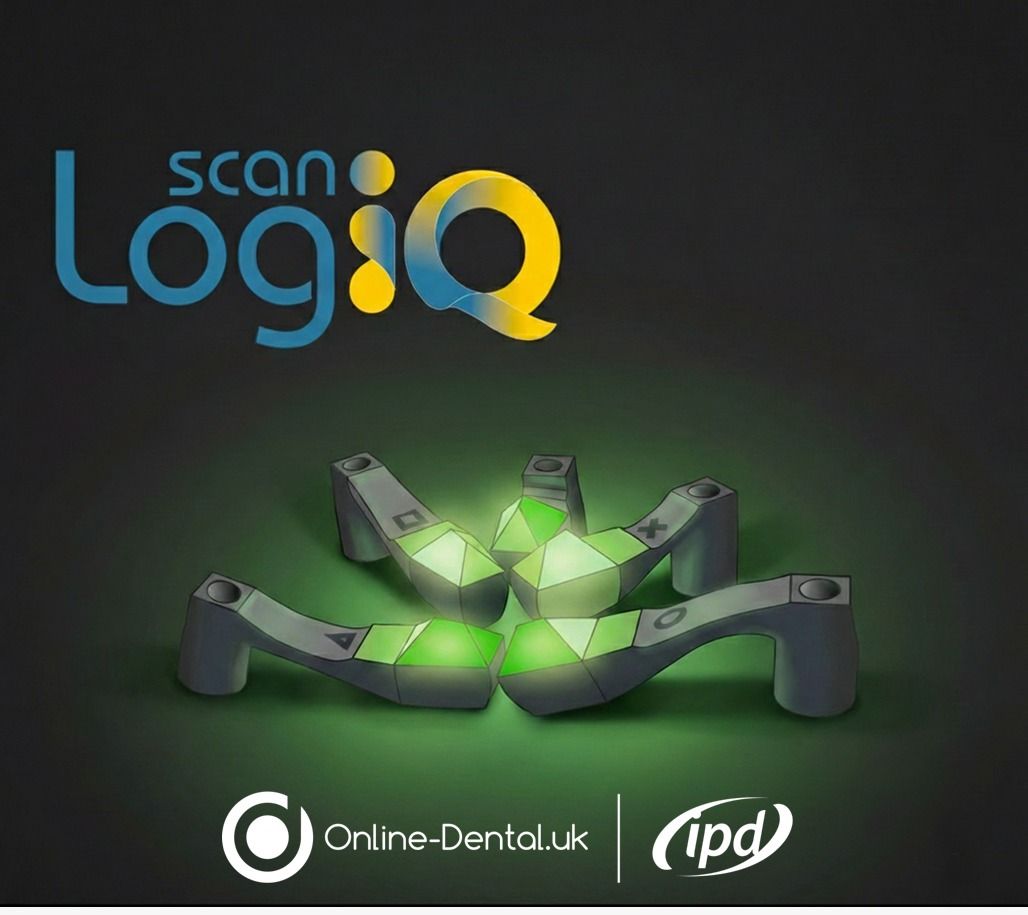
1. The Day the Prosthesis Did Not Fit It began on an October morning with a framework in hand and a patient looking at me with that specific expression of disappointment. The prosthesis did not fit—not as a matter of minor adjustment, but because the framework and the implants did not speak the same geometric language. The scan file and the real world did not coincide.
2. The Invisible Enemy In that moment, I realized that an error that cannot be understood cannot be corrected. Relying on hope is not a method. Digital drift—the small, cumulative errors in a scan—is an "invisible enemy" that ruins the predictability of complex cases.
3. The Path to Verification Learning to see required honesty and the willingness to change established habits. It was not simple, but it followed the "inexorable logic of true things". I adopted a protocol that allowed for the verification of digital data before the laboratory even began its work.
4. Epilogue: That Morning Told Me I Had Arrived Time has passed, and the protocol is now a habit. Months ago, I faced an analogous case: posterior sector, multiple implants. I followed the protocol, took the screenshots, and clicked "Verify". In ten seconds, the result was "Green".
When the patient returned, the prosthesis fit precisely, without force, and without the shadow of resistance. This was not just the expected result; it was the confirmation that understanding the problem and using a verified method truly changes clinical outcomes. I had finally arrived.




.png)